As new social platforms and fandoms emerge, the very ideas of community and human connection are poised for redefinition. We are now in an era where intimate connections transact over social, micro-fandoms and subcultures find one another deep within Discord or TikTok, and memberships & subscriptions have become a way of living. These communities are a critical connection engine for brands.
This piece explores the various ways the power of community has evolved and how this evolution should shape the way marketers engage with their audiences.
Table of contents
- Beyond the feed: influencers, from content engines to community architects
- Crowdsourcing knowledge, from expert-led output to democratized input
- The rise in elite and specialized membership communities, from ownership to access
1. Beyond the feed: Influencers evolve from content machines to IRL community architects
For years, marketers have acknowledged influencers as sophisticated content and brand machines who could churn out viral Reels, TikToks, Stories, and posts to fuel the algorithm and juice engagement. But that world is rapidly changing. Today’s most potent influencers are not just digital creators, they are IRL community architects.
Influencers moving beyond feeds and hashtags, building living, breathing tribes in the real world.
They’re hosting pop-up dinners in their homes, curating intimate wellness retreats, taping podcasts in front of live audiences, leading fans on once-in-a-lifetime group travel adventures, and even launching their own products. They’re also inviting their communities to weigh in on those products.
These experiences turn followers into deeply connected fans; ones who will travel, engage beyond digital, and even invest in influencers’ agendas.
This evolution isn’t a side hustle; it’s the new center of gravity. Followers are starved for real connection in a world saturated with content.
The dopamine hit of a like or a comment pale in comparison to the rush of sitting at a table with creator Gaby Dalkin, toasting pumpkin pie at her Friendsgiving dinner, or traveling through Morocco with Laura Whaley and a crew of career besties. Suddenly, or perhaps once again, “community” isn’t just a feature of an app; it’s an experience you can touch, taste, and remember. As famed food and lifestyle influencer Gaby Dalkin (@Whatsgabycooking) put it,
Social media got me followers. But real-life community? That’s where I found my superfans.
For brands, this is both thrilling and terrifying. The gatekeepers of cultural connection are no longer just celebrities or media conglomerates, they’re micro and macro creators who can fill a room (or a stadium) with devotees who are ready to travel, invest, and evangelize. The playbook is being rewritten live, and brands that continue to treat influencers as mere content engines are about to be left in the dust.
The business case for IRL community
The influencer market’s exponential growth is nothing new; the category has experienced steady, year-over-year growth, cementing itself as a core pillar of modern brand strategy. The US influencer marketing category is projected to reach $7.14 billion in 2024, up from $5.17 billion in 2022, a 38% jump in just two years. (eMarketer, 2024)
Beyond this broad expansion, the most dynamic and interesting growth is now happening at the intersection of influence and intimacy: real-life meetups, deeper IRL engagement, and loyalty-building experiences are quickly outpacing traditional digital activations.
- Real-Life Meetups: 41% of major US brands have increased their investments in influencer-led events and real-life activations in the last 12 months (Warc, 2024).
- Engagement & Loyalty: Influencer-hosted IRL events yield, on average, a 47% higher post-event engagement rate on social platforms than digital-only activations (Omnicom, 2024).
- Product Launches: 61% YoY increase in US-based product collaborations launched via live, ticketed events or exclusive in-person drops (Statista, 2024).
New community architects: trailblazing influencers
A class of trailblazing influencers emerging across passion points from food to music to wellness have started to redefine what it means to build and nurture community in real life.
Laura Whaley (@loewhaley), for example, is known for her “career bestie” content, but has expanded from career networking to curated travel retreats with intentionally-designed itineraries for ambitious women. Think group trips to Costa Rica with workshops, networking, local meals, and adventure, all documented for her 1M+ followers.
Meanwhile, aspirational fitness personalities like Kim Strother are doubling down on their wellness expertise to personally program curated trips with mindfulness, healthy consumption, cultural exploration & fitness.
Some creators are even opening up their homes for ticketed holiday events like Friendsgiving.
For Gaby Dalkin, what started as viral recipe videos has turned into immersive dinner parties, and her brand partners (Williams Sonoma, Staub) are embracing this by designing exclusive in-person culinary experiences around her existing events.
Lastly, podcast hosts, who are creators in their own right, have transcended the spoken word, hosting sold-out live recordings to leaned-in fans. Take Call her Daddy, once a private recording, has turned listeners into a loyal flock of real-world participants, with podcast ‘tours’ selling out arenas. Sponsors (Bumble, Amazon Music) see engagement rates soar after these live events.
When brands lean in: co-creating IRL
But it’s not just creators driving these shifts; forward-thinking brands are also seizing the opportunity to engage audiences in more meaningful, tangible ways.
Nuuly, a clothing rental service that has seen exponential growth in the past 2 years and has double the amount of active users as key competitor Rent the Runway, has begun prioritize micro-influencers with significant local resonance to host hyperlocal events like book swaps, matcha meet-ups, and bouquet bars, often in suburban cities where the app is scaling fastest.
According to the brand, these events let people feel like they’re friends with the brand rather than just consumers. Nuuly’s subscriber base has jumped 53% YOY (Urban Outfitters Earnings Report, May 2025).
Some brands are even becoming more comfortable having other brand sponsors in the mix. Brandon Edelman, a Philly-based TikTok creator with 1.3M followers, launched what he called the “Bran Trip,” a riff on the ubiquitous brand trip reimagined for his followers. He flew out select fans, chosen via application videos shared to TikTok, for a curated weekend in Philadelphia, backed by more than 30 brands including Abercrombie, Béis, and Shark.
Access, exclusivity, and parasocial whiplash
One of the fascinating cultural realities to be mindful of is the parasocial disruption that comes with more intimate IRL gatherings with a community that started entirely online. The magic of social is scaled access. When IRL events become the new currency, most followers are left watching from the sidelines, which can erode the everyday access that digital is so strong at providing.
This directly intersects with access and exclusivity backlash. As IRL events become more exclusive (and expensive), fans left out may turn resentful. Think of Revolve’s influencer-filled Coachella-adjacent parties. While they were once the gold standard, recent years have highlighted issues with exclusivity, overcrowding, and logistical chaos, leading to widespread criticism and the viral tag “#RevolveGate.”
As creators explore and build their influence beyond their digital realms only, there is clear opportunity for brands. But brands must approach these kinds of engagements intentionally, ensuring the interpretation of brand identity, chosen partners, and the experience design are handled with care to maximize engagement and minimize backlash.
What does this mean for brands?
Chase belonging, not impressions
The next wave of brand equity is about fostering a sense of tribe, not just racking up views. Pivot from counting reach to cultivating resonance, and explore multi-year creator deals that provide the fluidity to grow as the creator’s own brand and following grow, and as the brand’s priorities shift.
Invest in experience design, not just sponsorship
Especially for brand-driven and purpose-driven objectives, prioritize partnerships that open the access to co-create the experience—and make it something fans will brag about, not just attend.
Scale intimacy, not exclusivity
Find ways to democratize access—live-stream the private dinner, send at-home kits, or build digital extensions so no fan is left behind. Remain sensitive to notions of extravagance and excess by ensuring impact and connections have consequence and community.
Bet on micro-influencers as local connectors
The most powerful communities may not be the biggest—they’re the most bonded. Micro-influencers can activate hyper-local tribes with deeper loyalty.
2. Rise in crowdsourcing through online community
In a world defined by collective intelligence and boundless digital connectivity, crowdsourcing is undergoing an exciting transformation. We are witnessing a fundamental shift, where the wisdom of the crowd has become a real-time engine for progress. Today’s most forward-thinking platforms are harnessing the power of artificial intelligence, tapping into specialized expertise, and inviting diverse communities to shape the future through collaboration and co-creation.
From groundbreaking innovation challenges to citizen-driven science and humanitarian efforts, the possibilities are expanding at an unprecedented pace. As gamification and creative incentives make participation more engaging and quality control more rigorous, crowdsourcing is not just a tool; it is an inspiring movement, empowering individuals everywhere to contribute.
“This new era positions every participant as an active stakeholder in shaping society, technology, and culture.”
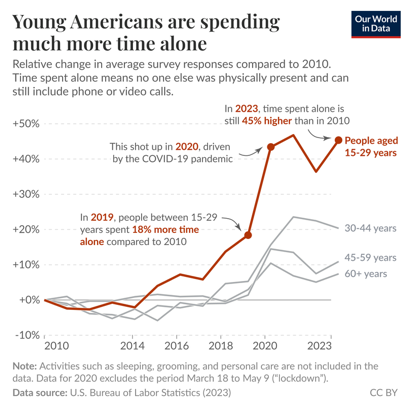
The Crowdsourcing Platform Market is currently estimated to be worth $3.07m and has an estimated 9.3% CAGR by 2035 (WGR 2025). This impressive growth trajectory underscores the increasing reliance on collective problem-solving and community-driven content. Beyond the convenience, one potential driver of the increasing uptake of crowdsourcing behavior is the rise in time spent alone, which is especially pronounced among younger generations.
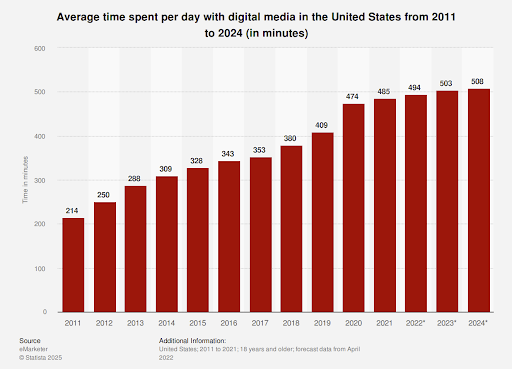
The digital environment has become a primary space for connection, creativity, and contribution, even as social habits evolve. In the past ten years, daily time spent online in the US has increased by 49%.
Those aged 15–29 spent about 45% more time alone in 2023 than in 2010. This profound social shift has created a vacuum that digital communities and crowdsourcing platforms are uniquely positioned to fill, offering belonging, purpose, and collective achievement.
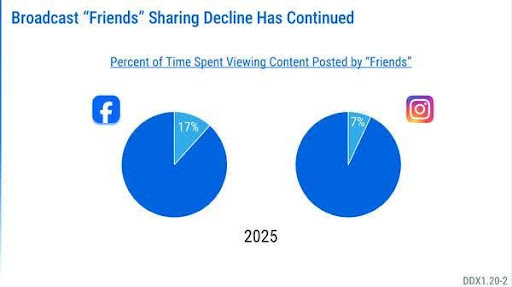
Compounding this, in their time spent online, consumers are also seeing less of their peers. Meta revealed that in 2025, just 7% of time on Instagram and 17% on Facebook is spent engaging with friends. The majority of user activity is passive, with people primarily scrolling through an endless stream of recommended content. This passivity creates an urgent opportunity for brands and platforms to design interactive, participatory experiences that break through the noise and foster genuine connection.
From peer review to viral problem-solving
This has led to a rise in citizen-driven science, research conducted, in whole or in part, by amateur or non-professional scientists; these are ordinary people who volunteer their time, skills, or resources to help gather data, analyze results, or even help design experiments. The concept of peer reviews isn’t a new thing, but what’s interesting is how this is now manifesting on social.
For example, in one notably viral fashion post, a woman asking tiktok to help her find the ultimate summer shoe. The initial plea drew a staggering 9m views. Viral crowdsourcing moments like this demonstrate the speed and scale at which collective curiosity and problem-solving can unfold on modern platforms.
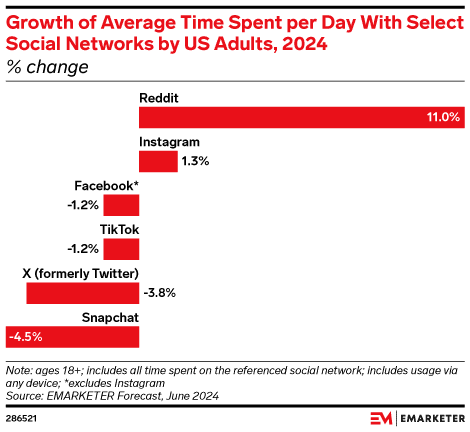
Reddit has surfed the wave of crowdsourcing behavior, seeing a tsunami of user growth in recent years and an impressive ~340% share price increase vs. 5 years ago. Reddit’s rise signals a broader trend: today’s consumers want real, unfiltered perspectives from diverse voices, not just polished brand messages or official sources.
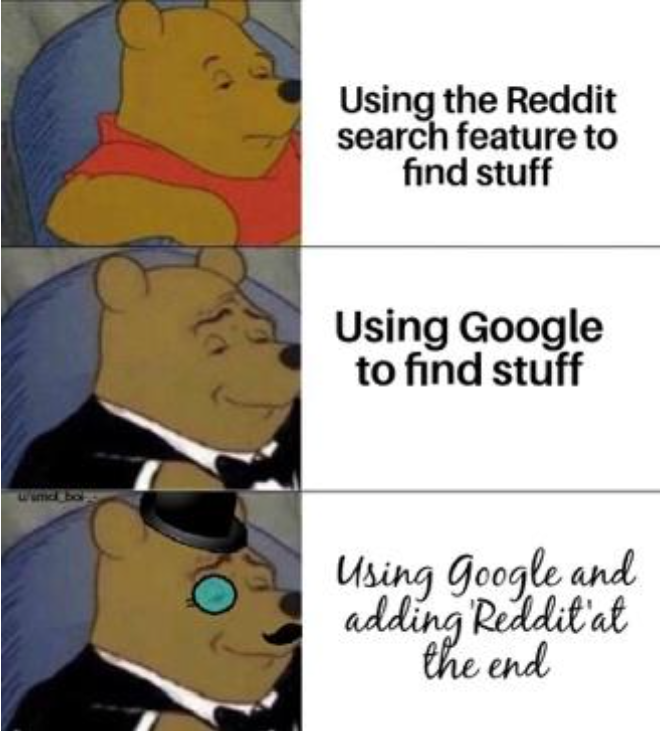
While many look to Reddit to crowdsource information, alarmingly, some younger consumers are reinterpreting their personal meaning of what constitutes an expert (Fortune). Many trust influencers above other sources, and social media is the top news source for those aged 18-34 at 47% (Statista 2025).
Younger consumers seek a nuanced understanding but translated simply and shared within their favorite social environments in pithy, snackable content. This shift in trust is rewriting the rules of authority and expertise, forcing brands to build credibility through community engagement and authentic storytelling rather than traditional top-down messaging.
The dark side: missed connections and digital vigilantism
A creepier devolution of this crowdsourcing behavior is the modern day ‘missed connection’. What used to be wistful Craigslist posts, or personal ads taken out in the newspaper, has evolved into an online manhunt. Multiple examples exist where people have appealed to the internet to help find their ‘missed connection’.
In one case, a woman sketched a stick figure of a firefighter who helped her sick friend, and the internet quickly tracked him down—only to discover he was married. Similar stories have surfaced across mainstream media, where online communities turn casual appeals into viral hunts.
Although journalists often omit the names of those involved, commenters frequently expose them in the original posts. Platforms like Polymarket have even placed bets on the fallout—divorce, job loss, or worse (The Verge). These viral detective efforts reveal both the connective power and the ethical gray zones of digital crowdsourcing, fueling debates about privacy, consent, and digital citizenship.
AI supercharges crowdsourcing
As AI adoption becomes more prevalent, naturally we have seen more brands tap into AI capability to empower consumers to crowdsource expertise. In 2023, eBay introduced AI-powered selling tools, and since then, over 10 million individual sellers have utilized features such as description generators and photo-editing assistants to produce more than 200 million listings. This helps the company maintain an edge vs. competitors like Facebook Marketplace and Poshmark. According to Modern Retail,
Ebay reports that around 500,000 listings each day are now created with AI support.
AI is not just augmenting crowdsourcing, it is supercharging it, lowering barriers to entry and allowing every user to create, curate, and collaborate at scale.
Both Waze and Zooniverse demonstrate how effective crowdsourcing platforms can combine engagement, rewards, and robust quality control to deliver reliable results. Waze keeps its navigation data current and accurate by gamifying user participation with points, levels, and avatars, while recognizing top contributors and relying on peer verification to maintain the integrity of reports.
Similarly, Zooniverse drives large-scale scientific research by awarding badges, public recognition, and even co-authorship to volunteers who classify scientific data. Like Waze, Zooniverse ensures data quality through consensus scoring and peer review, resulting in highly dependable outcomes.
Together, these platforms show the power of community-driven efforts supported by smart incentives and rigorous validation. The lesson for brands: blending technology with human motivation creates a virtuous cycle of engagement, contribution, and trust; a recipe for sustainable growth and innovation.
What does this mean for brands?
Build community, not just reach
Where relevant, marketers should use crowdsourcing, gamified elements, and creative incentives to build active communities around their brands. This approach encourages participation, generates valuable user content, and strengthens loyalty by making consumers feel like valued contributors.
Earn trust through peers, not just authority
With younger audiences placing more trust in peer reviews and influencer opinions than traditional authorities, marketers need to prioritize authentic voices and community-driven conversations. Creating relatable and easily shareable content within trusted digital spaces will enhance brand credibility and reach.
Don’t just say it, show it
Brands should harness AI-powered tools alongside peer review and consensus scoring systems to maintain high standards and transparency in crowdsourced contributions. Demonstrating this commitment to quality and reliability can set brands apart and foster greater consumer trust.
3. Rise in specialized and elite membership communities
The concept of the “third space” (also called “third place”) refers to environments that are neither home (the first space) nor work/school (the second space), but rather social spaces where people gather, interact, relax, and build community. This idea was popularized by sociologist Ray Oldenburg in his book The Great Good Place (1989). Third spaces include cafés, libraries, parks, community centers, co-working spaces, and even certain retail environments.
In addition, online communities (Discord, Reddit, gaming platforms) serve as virtual third spaces, especially for younger generations. They foster informal social interaction, community engagement, and a sense of belonging outside of home and work. Virtual third spaces now function as primary social infrastructure for digital-native cohorts, replacing many in-person interactions with asynchronous, topic-driven engagement.
In the late 20th and early 21st centuries, traditional third spaces like neighborhood pubs and community centers declined due to urban sprawl, digital entertainment, and changing work patterns. However, there’s been a recent revival and reimagining of third spaces. As cities grow denser, people seek places to connect and decompress outside of cramped living spaces.
The rise of remote and hybrid work post-pandemic has led people to search for spaces that offer both social interaction and a change of environment from home.
As more people acknowledge the importance of community and social interactions for mental wellness, demand for third spaces is rising. The health risks of loneliness are severe, raising the likelihood of heart disease by 29%, stroke by 32%, and dementia by 50% among older adults. (Surgeon General 2023: Our Epidemic of Loneliness and Isolation).
Loneliness and social fragmentation now represent macro-level health and economic risks, urging public and private sectors to treat social infrastructure as essential, not optional.
Surveillance anxiety and the flight to members-only
As society spends more time online, concerns about ‘surveillance culture’ are growing. “Now all it takes to become the internet’s main character is to appear in public, where people film each other to perform the dual task of policing behavior and creating potential viral content” (The Verge).
This only compounds the craving for connection. Those with sufficient means are increasingly retreating to exclusive environments away from public scrutiny. Searches for ‘private members clubs’ have increased 142% in the past 10 years (google trends).
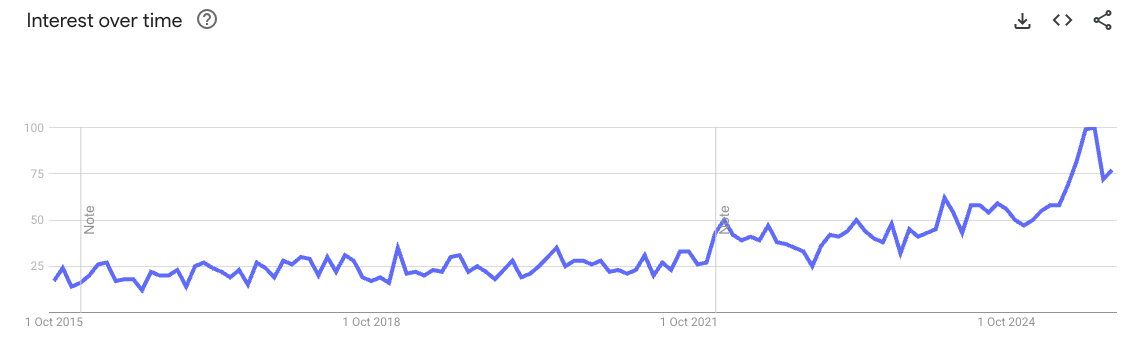
The US private social club market generated $32.6 billion in direct revenue in 2023. According to global real estate consultancy Knight Frank, more private members’ clubs have opened in the past four years than in the last three decades. Surveillance anxiety is driving demand for controlled-access environments, accelerating the bifurcation between public and private social infrastructure.
Willingness to pay for exclusive access
In the professional and dating world, there is a rise in consumer willingness to pay a premium for access. We see networking fatigue manifest in appetite for Professional Members Clubs such as Chief, and disenchantment with swiping driving demand for private dating services like the League.
This craving for access and authentic connection is also spawning offshoot, passion-led communities, including Silly Pickles, a pickleball league that offers speed-dating cornhole events in 14 cities across the U.S.
Another passion-led community, Lunge, hosts weekly runs and walks for 50–1,500 people—singles in black, couples in color—that wrap up with a meetup at a West Village or Chelsea bar (Airmail). Transactional access is outpacing open networking as niche affinity groups turn exclusivity and curated participation into currency.
Luxury brands have long understood the power of the third space in cultivating and maintaining their consumer base—think Tiffany’s Blue Box Café, Ralph Lauren’s Polo Bar, and Coach’s Coffee Shop.
While these brands trade on exclusivity, their third spaces remain open to the public and function as recruitment tools. By offering an accessible window into the brand world at a lower price point, they give consumers a taste of luxury and prime future loyalists.
As young consumers become more open to leveraging their personal data for rewards, brands have an opportunity to offer compelling experiences—both digital and in real life—in exchange for data.
“In fact, 88% of Gen Z are comfortable sharing their information with social platforms.
This means that Gen Z are outpacing older generations by 20 percentage points (eMarketer). The trend is exemplified by Verb.AI from Generation Lab, which compensates users $50 per month to install a tracker that anonymously gathers behavioral data for research and insights. Axios recently claimed that, “selling data is becoming the new selling plasma.”
What does this mean for brands?
Nurture connections, not just communities
Brands have a powerful opportunity to create third spaces, both physical and digital, that address the growing need for belonging and social interaction. By cultivating environments that support genuine connection, brands can build loyalty and strengthen their role in consumers’ lives.
Invite aspiration, not just elitism
Offering curated, premium experiences helps brands stand out and attract high-value customers. At the same time, making aspects of these experiences accessible to a wider audience serves as aspirational marketing. This approach allows more people to sample the brand and primes future loyalists.
Offer transparency, not just access
As privacy concerns and surveillance culture intensify, brands must design third spaces and experiences that respect customers’ desire for sanctuary and data security. Brands should clearly communicate how data is used and ensure that sharing personal information unlocks meaningful benefits or more tailored experiences. This builds trust and positions data sharing as a transparent, mutually beneficial value exchange.
The future of belonging
Across every corner of culture, from influencer communities to crowdsourced innovation and elite membership spaces, the definition of connection is expanding. What began as fragmented online engagement has evolved into a powerful ecosystem where participation, access, and shared values drive loyalty more than algorithms ever could.
For brands, the mandate is clear: belonging is the new metric of success. Those that design experiences where people feel seen, invited, and empowered will thrive. Whether it’s co-creating with creators, building participatory digital platforms, or crafting third spaces that nurture real-world connection, the future belongs to brands that don’t just speak to communities—they build them.


